
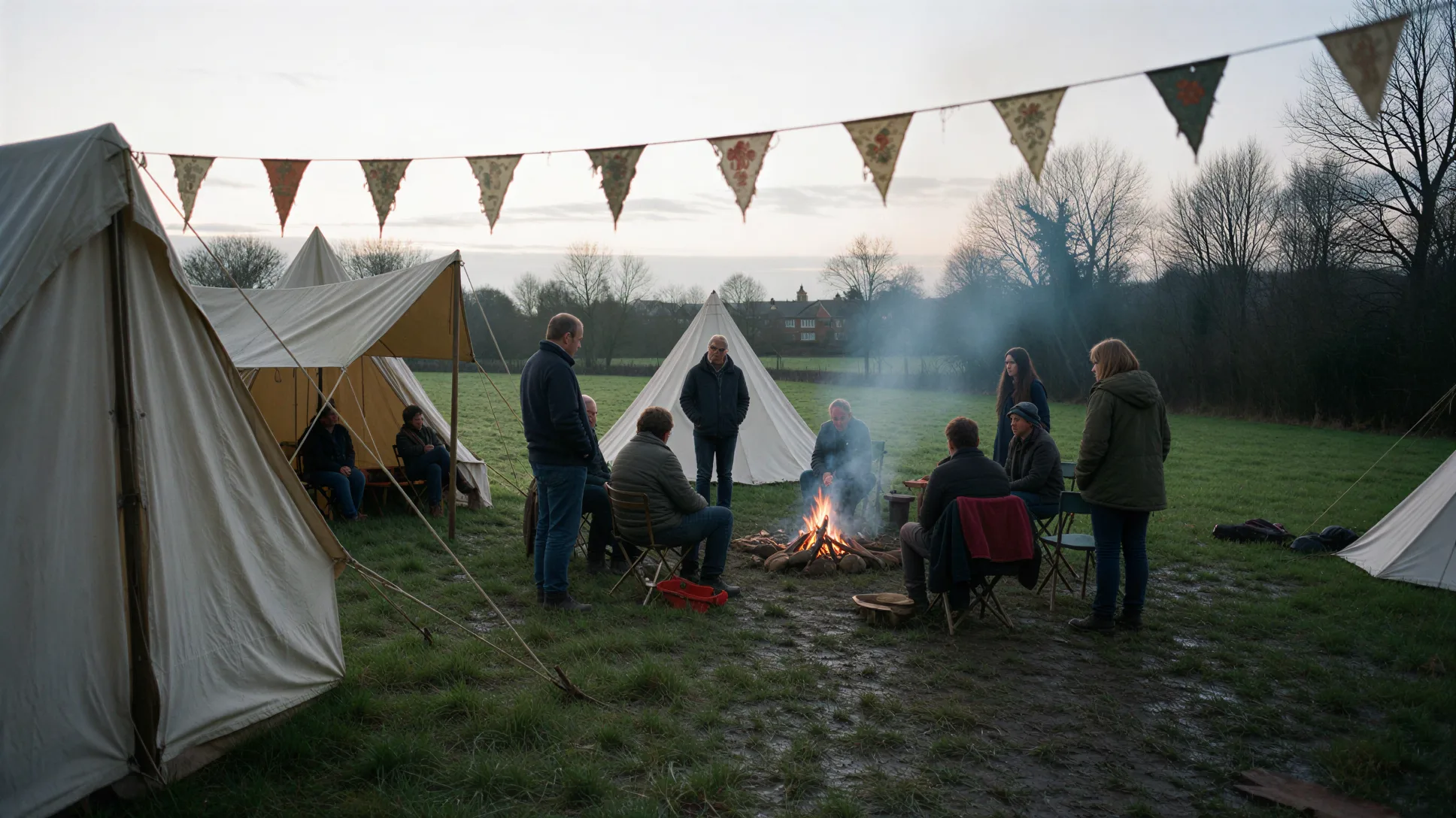
Handfasting is a marriage or betrothal ceremony used by many modern Pagans. The core image is the joining of hands, often with cord or ribbon, accompanied by vows. Beyond that, practice varies widely.
History and modern use
The word and the gesture have older roots in European custom. Most ceremonies now described as Pagan handfastings owe a good deal to the twentieth-century Pagan revival.
Some couples handfast for a year and a day and then decide whether to continue. Some treat it as permanent. Some combine it with legal marriage; some keep the two separate.
Legal status
In most places handfasting alone does not create a legal marriage. If you want legal recognition you will usually need a civil ceremony as well, unless you are using a celebrant or structure that carries legal authority in your jurisdiction. Check local law rather than assuming.
What people actually do
Ceremonies take place outdoors, in living rooms and at festivals. Couples may write their own vows, adapt an existing rite, invite a crowd or keep it private. Ritual dress is optional. So is woodland.
Relationships and expectation
If handfasting matters to you, mention it before the relationship is years old. The same applies if you dislike the idea. It is an awkward subject only when both people assume the answer is obvious.