“Pagan” is a broad word. It covers people who follow specific reconstructed traditions, people who practise forms of modern witchcraft, people whose spirituality is centred on nature and the seasons, and people who simply find the old stories more compelling than the alternatives on offer.
There is no central authority, single sacred text or universal creed. The lack of one agreed definition is part of the territory.
What people usually mean
In contemporary use, Paganism often refers to modern movements that draw on pre-Christian European traditions, nature-centred spirituality, or both. Wicca, Druidry, Heathenry, various forms of witchcraft, and eclectic solitary practice all sit under the umbrella for many people. Others prefer more specific labels and use “Pagan” only when a short answer is required.
See also Wicca, Witchcraft and Paganism for the distinctions that matter.
Belief and practice
Some Pagans are polytheists who build relationships with particular gods. Some are animists. Some are atheists or agnostics who find ritual and seasonal observance meaningful without requiring supernatural belief. Many move between these positions over a lifetime.
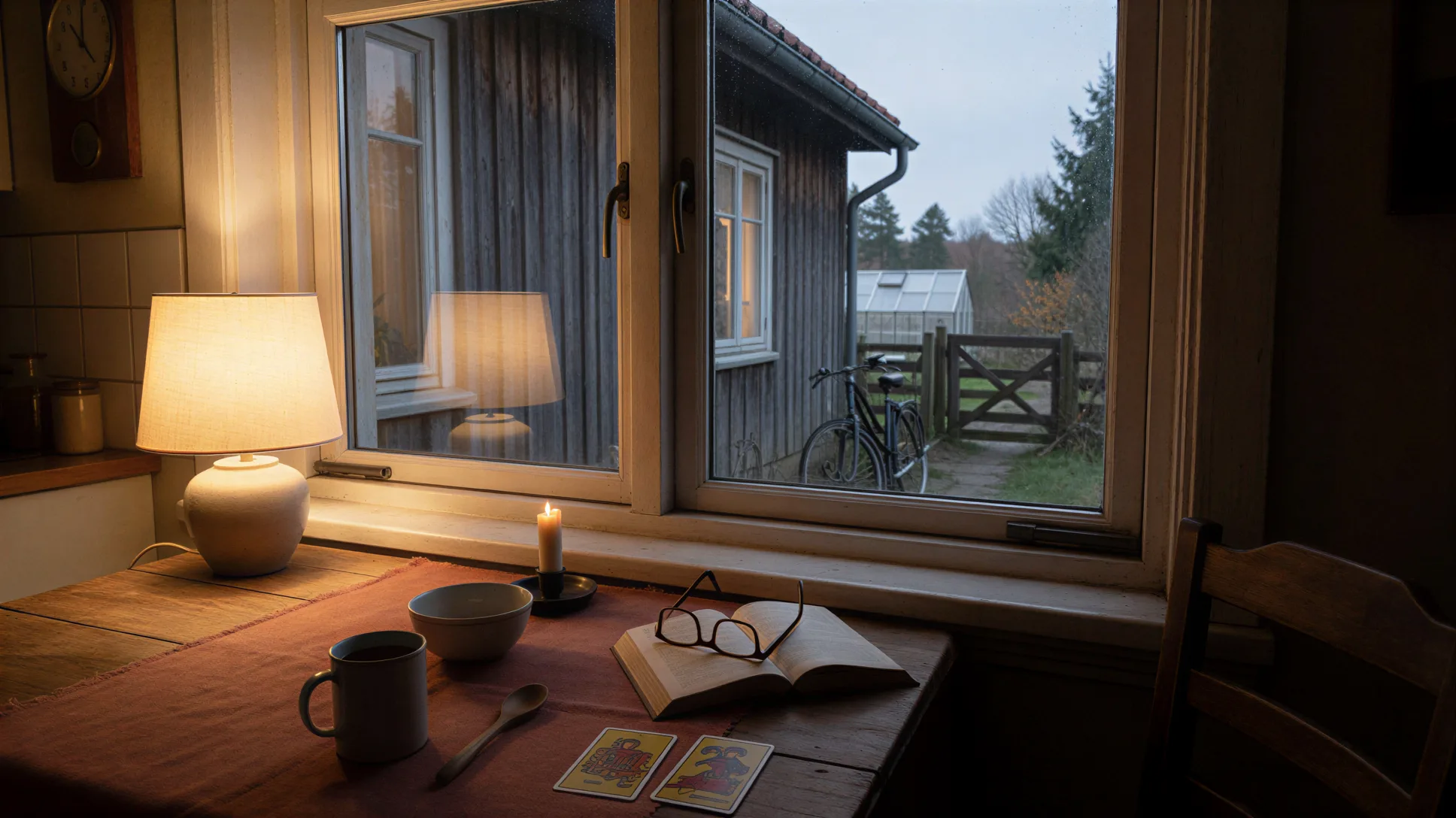
Practice ranges from elaborate group ritual to lighting a candle at the kitchen window. Scale alone says little about how seriously somebody takes it.
The Wheel of the Year
Many modern Pagans mark eight seasonal festivals. Others mark fewer, or different ones, or none in particular. The shared calendar is useful. It is not compulsory. There is a separate guide to the Wheel of the Year.
Community and solitary practice
Some people join groups, covens, groves or hearths. Many practise alone, either by preference or because there is nothing suitable nearby. Online communities fill some of the gap and create their own complications. For more on this, see Pagan Communities and How Solitary Pagans Connect.
A note on certainty
Modern Paganism does not offer one answer to what a person should believe or how they should live. It offers several traditions, plenty of disagreement and the responsibility to be precise about which one you mean.